
Strengthening Community Voice and Participation: The Northern Kenya Rangelands Carbon Project Convenes FPIC Workshop
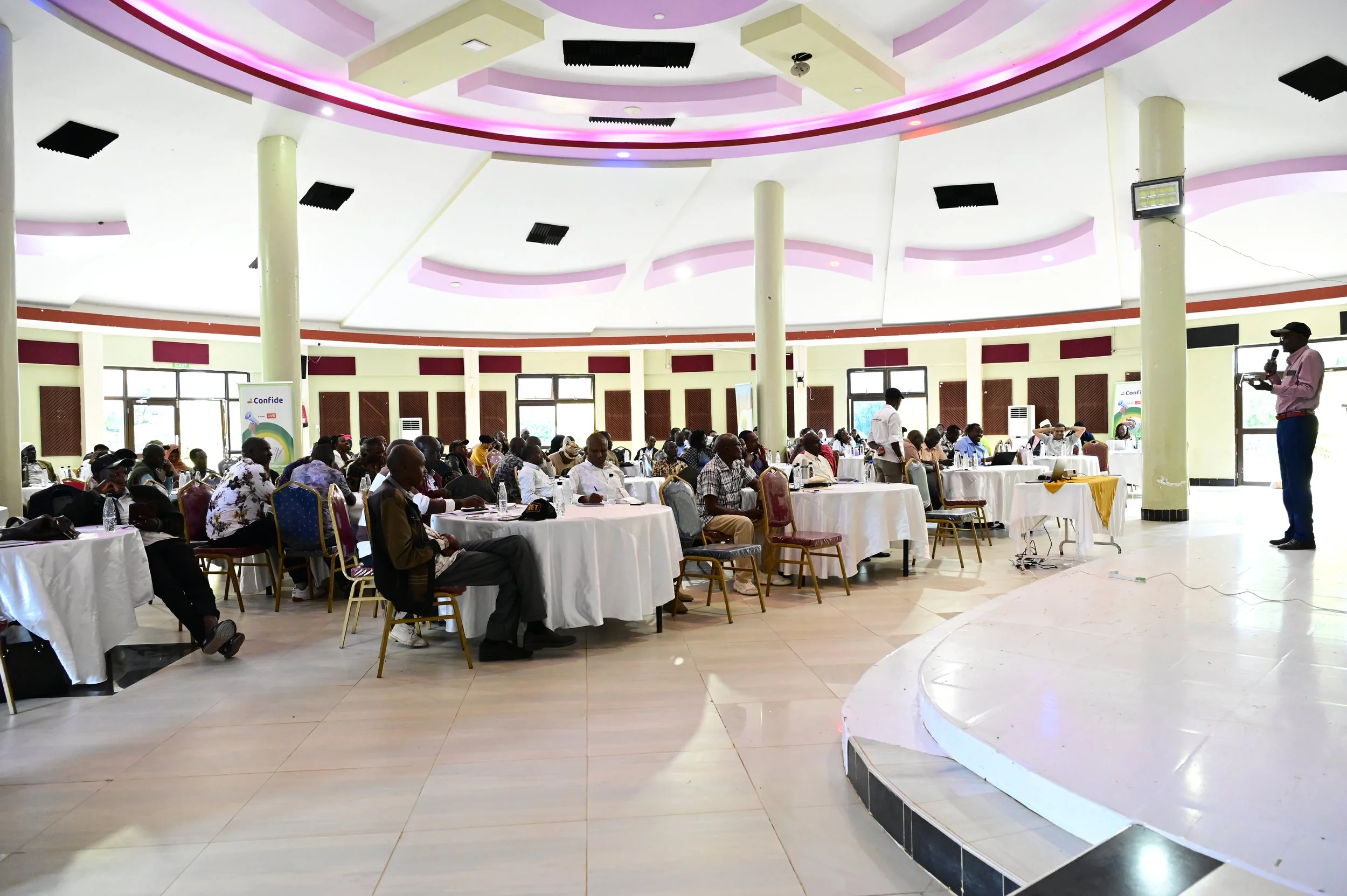
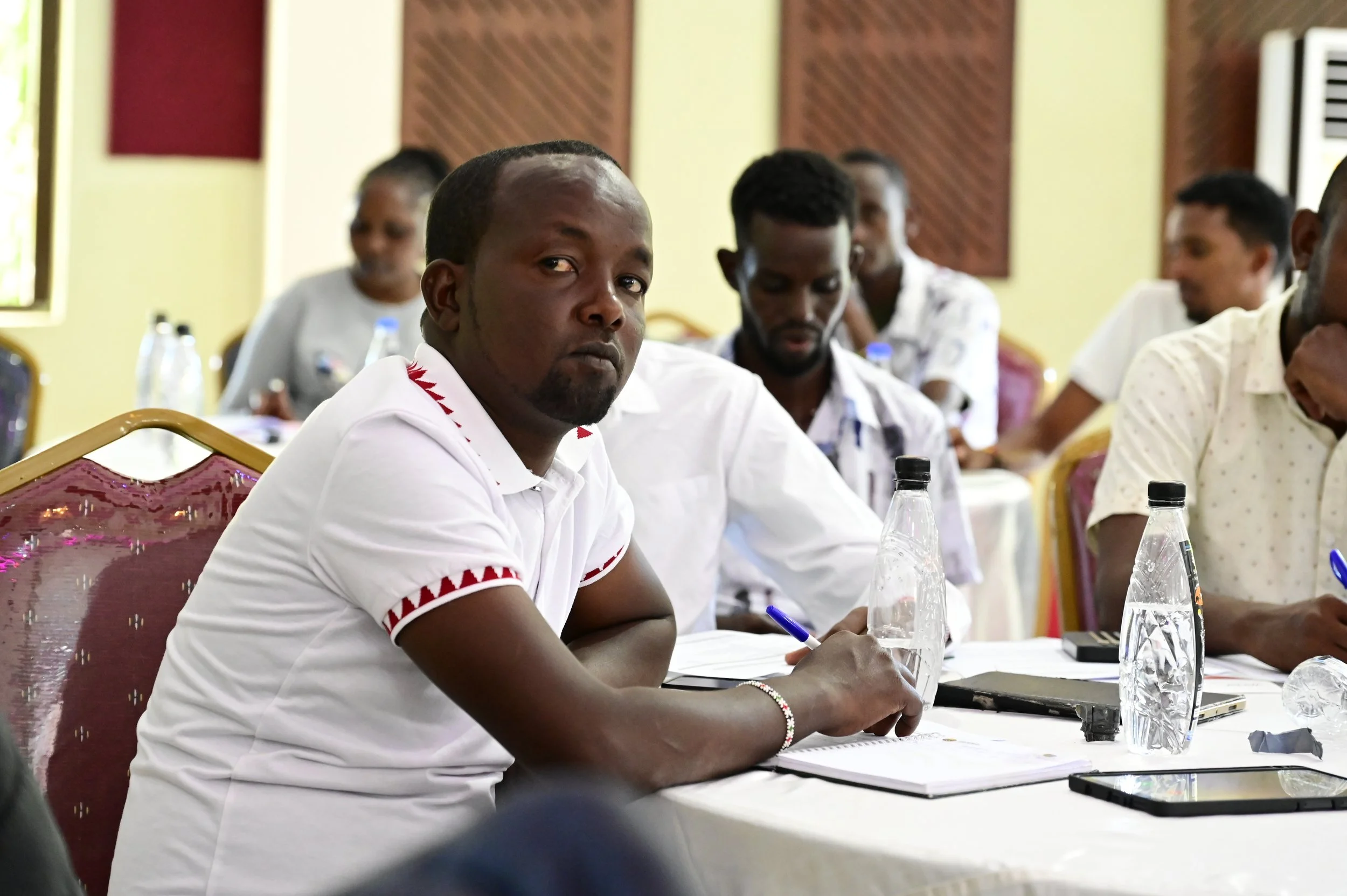
Delegates at the NKRCP workshop at Isiolo.
Leaders and stakeholders from across NRT-member community conservancies convened in Isiolo from March 31 to April 2, 2026, for a workshop on the Northern Kenya Rangelands Carbon Project (NKRCP), marking a key step in preparing for the rollout of the Free, Prior and Informed Consent (FPIC) process.
The workshop brought together representatives from the 22 participating conservancies, alongside government officials, civil society organizations, and project partners, to build a shared understanding of how FPIC engagements will be conducted at the community level in the coming weeks. The process is central to ensuring that communities are fully informed, meaningfully engaged, and able to make decisions about the project.
Laying the Foundation for FPIC
The first day of the workshop focused on introducing the FPIC process and its importance within the NKRCP. Participants explored the proposed approach to community consultations, the roles of different stakeholders, and key areas that will require community input — including governance, participation, and benefit-sharing.
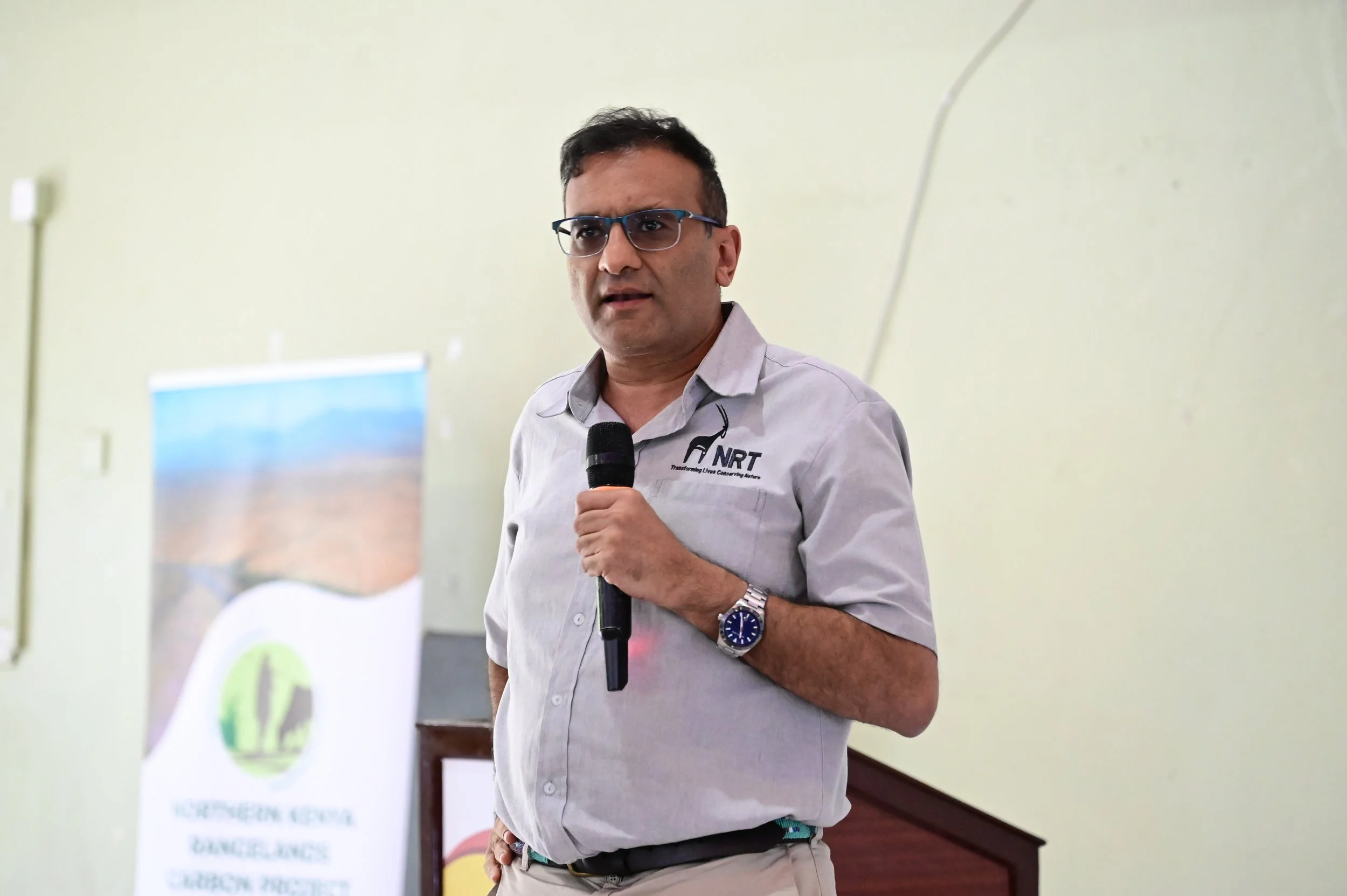
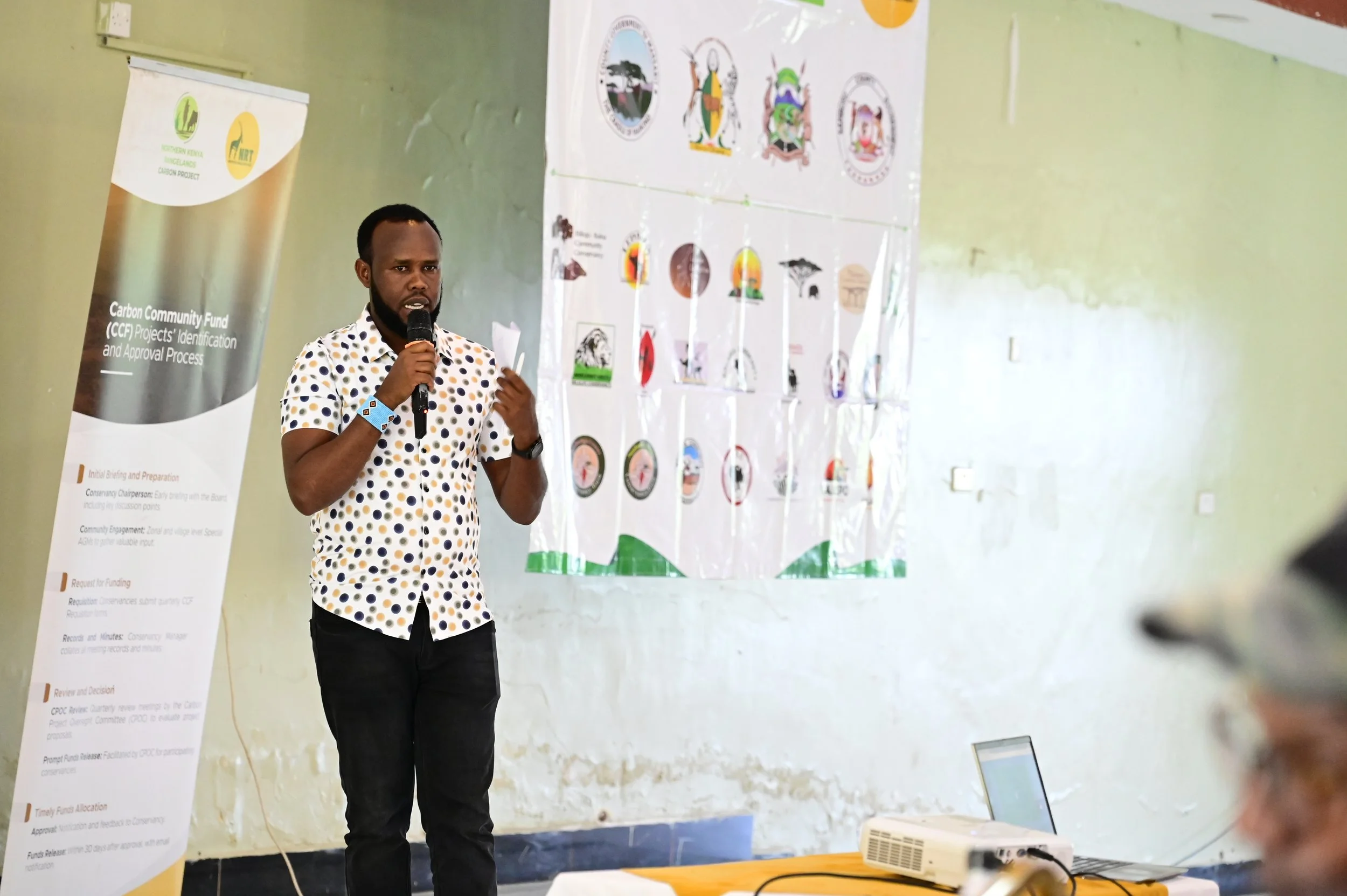
NRT CEO Vishal Shah addresses participants at the workshop.
Discussions also highlighted the legal and institutional frameworks guiding carbon projects in Kenya, including NRT’s Human Rights Policy and Grievance Handling Mechanism, reinforcing the importance of transparency, accountability, and rights-based engagement.
Speaking in a message delivered on his behalf, Isiolo County Commissioner David Kiprop noted that communities in northern Kenya “stand to benefit significantly from the Northern Kenya Rangelands Carbon Project,” describing it as a transformative initiative that helps restore rangeland health, improve pasture for livestock, and support pastoral livelihoods.
He also called on communities to “live and work together in harmony” with partners and stakeholders to ensure the project delivers lasting benefits for future generations.
Deepening Understanding and Engagement
Building on these foundations, the second day featured highly interactive sessions aimed at deepening participants’ understanding of the FPIC process and its practical application.
Through breakout discussions held in collaboration with Namati (Kenya), participants explored the legal frameworks governing carbon markets in Kenya — including the Climate Change (Carbon Markets) Regulations, 2024 — and what they mean for communities participating in the project.
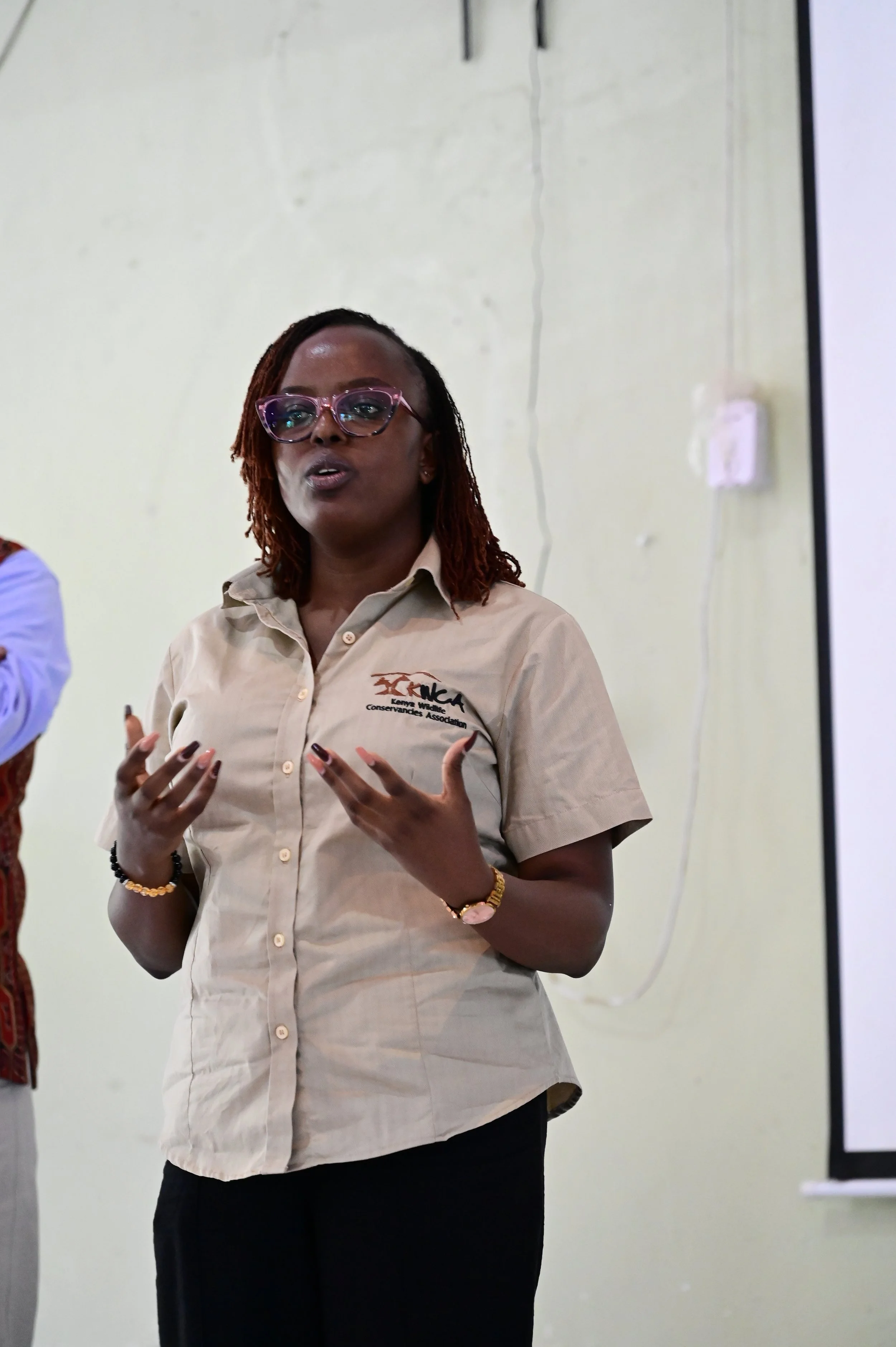
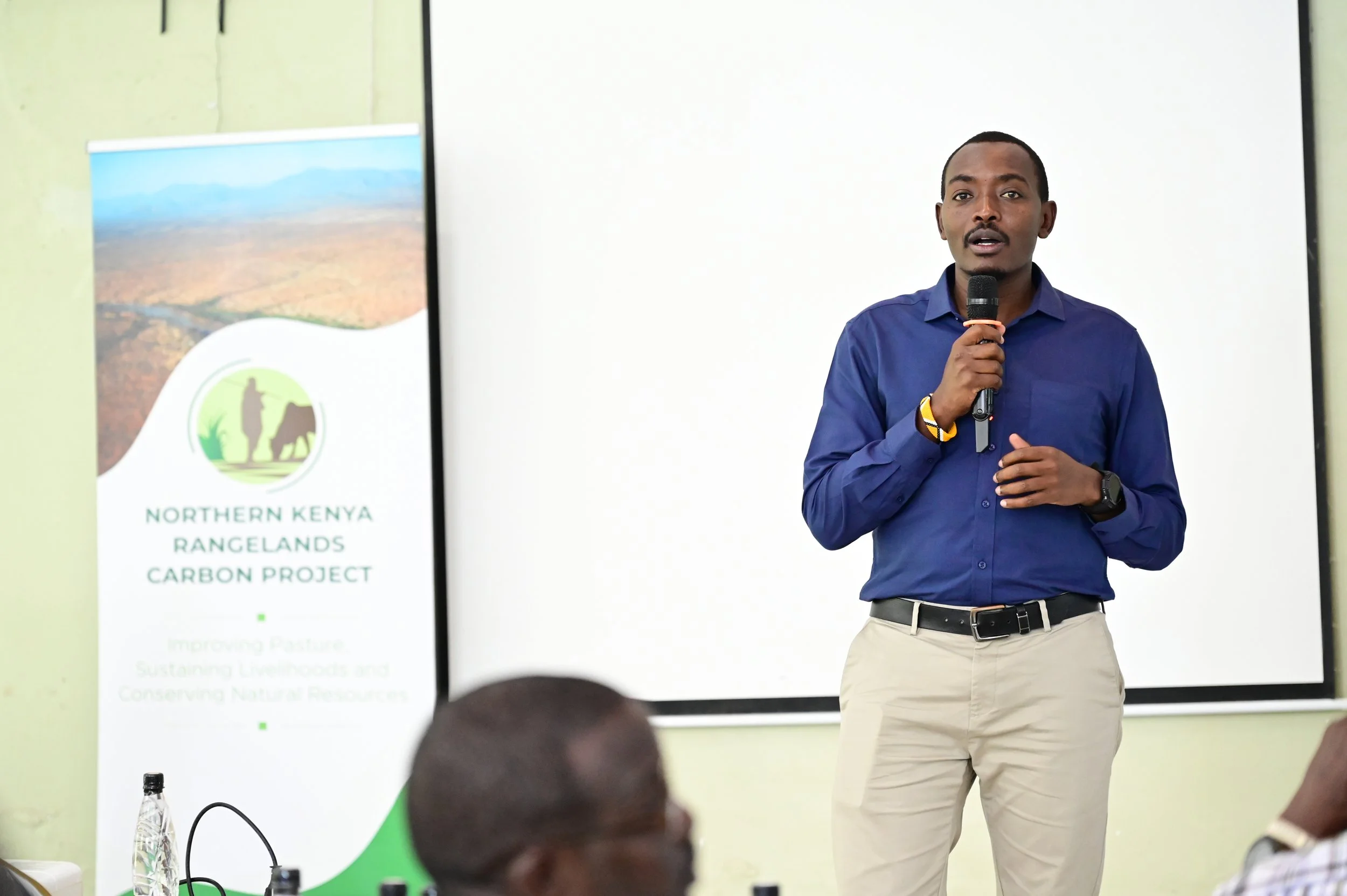
A representative from Namati (Kenya) addresses participants at the workshop.
Further deliberations focused on the draft revised Project Implementation Agreement (PIA), with participants reviewing how it supports governance, accountability, and effective project implementation.
The workshop also provided space to reflect on fair and equitable benefit-sharing, emphasizing the importance of ensuring that communities — as stewards of the rangelands — remain central to how project benefits are structured and delivered.
Aligning for Implementation
On the final day, discussions centered on how the FPIC process will be delivered in practice as it moves closer to rollout.
Participants explored how best to ensure communities and stakeholders are meaningfully involved and well-informed throughout the process. A key focus was clarifying roles and responsibilities, with community conservancies taking a central role in mobilizing communities, supporting communication efforts, and facilitating outreach on the ground.
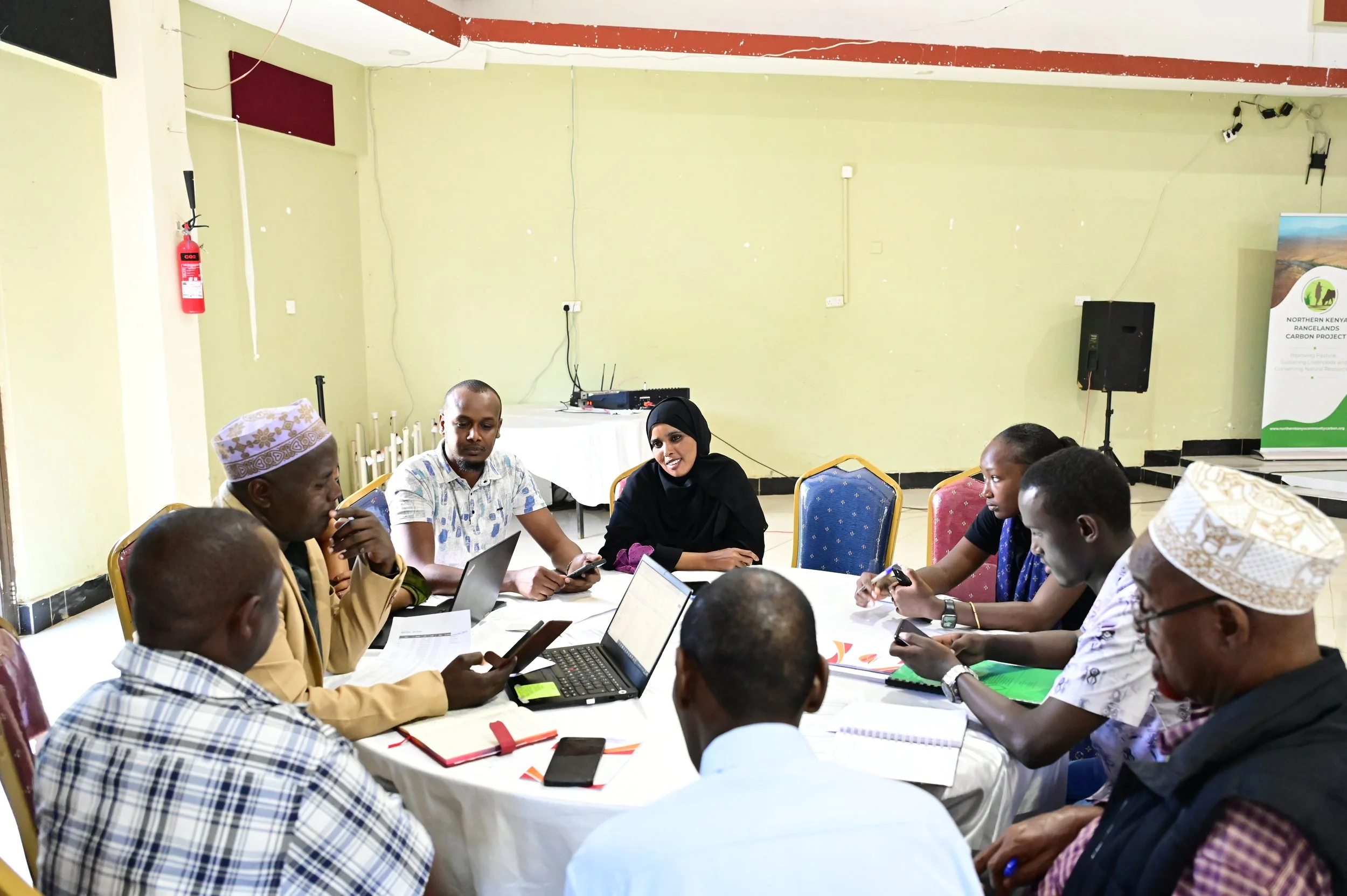
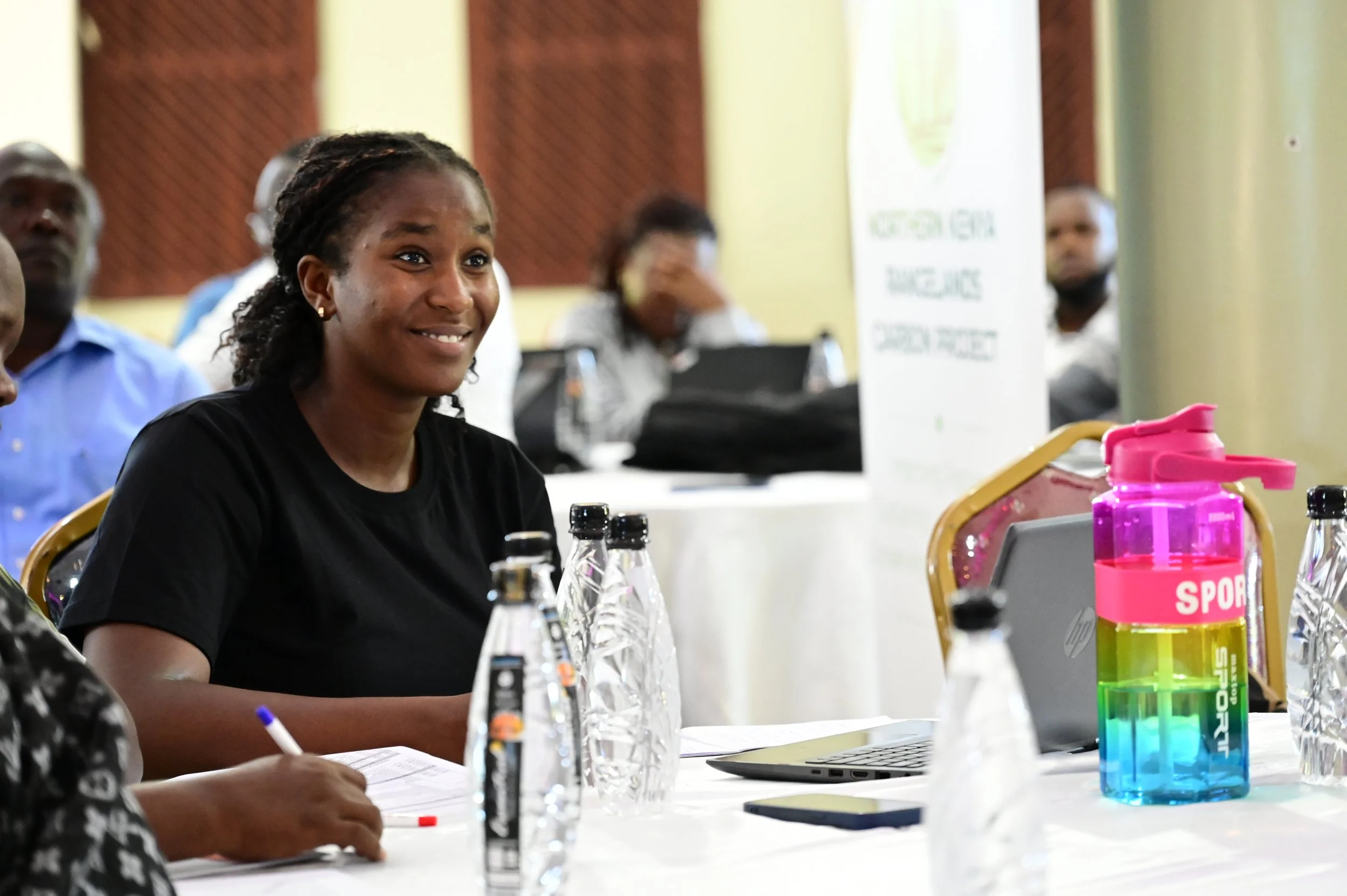
A section of delegates participate in focus group discussions during the workshop.
The importance of clear and consistent messaging across multiple channels — including local radio and digital platforms — was emphasized, alongside the need for proper documentation to ensure transparency, accountability, and long-term credibility.
Participants also highlighted the importance of continuous engagement, ensuring that community participation is not a one-off event but an ongoing process. Safe and accessible channels for feedback, including mechanisms for raising concerns and grievances, were also underscored as critical to building trust and confidence.
A Shared Commitment to Community-Led Conservation
As the workshop concluded, there was a strong sense of collective readiness to move forward with a process that is inclusive, transparent, and firmly grounded in community leadership.
The FPIC process represents a critical step in ensuring that communities remain at the heart of decision-making within the Northern Kenya Rangelands Carbon Project — shaping not only its implementation, but also its long-term credibility and impact across the rangelands.