
A Renewed Spirit of Unity and Progress as Carbon Council Meets in Nanyuki
Under the calm December skies of Nanyuki, a quiet but powerful moment of unity unfolded as community leaders, partners, and government representatives gathered for the Carbon Council Meeting held from 4th–5th December 2025. It was more than a statutory gathering—it was a celebration of resilience, shared purpose, and a collective commitment to the future of community-led conservation.
Held at Landmark Hotel, the meeting brought together Carbon Council members, CCY Chairpersons, CLMC leaders, regional and women caucus representatives, the Carbon Secretariat, partners from Native, community advocates, Members of County Assemblies (MCAs), and senior leadership from NRT. From the opening prayers, there was a sense of gratitude, optimism, and renewed focus.
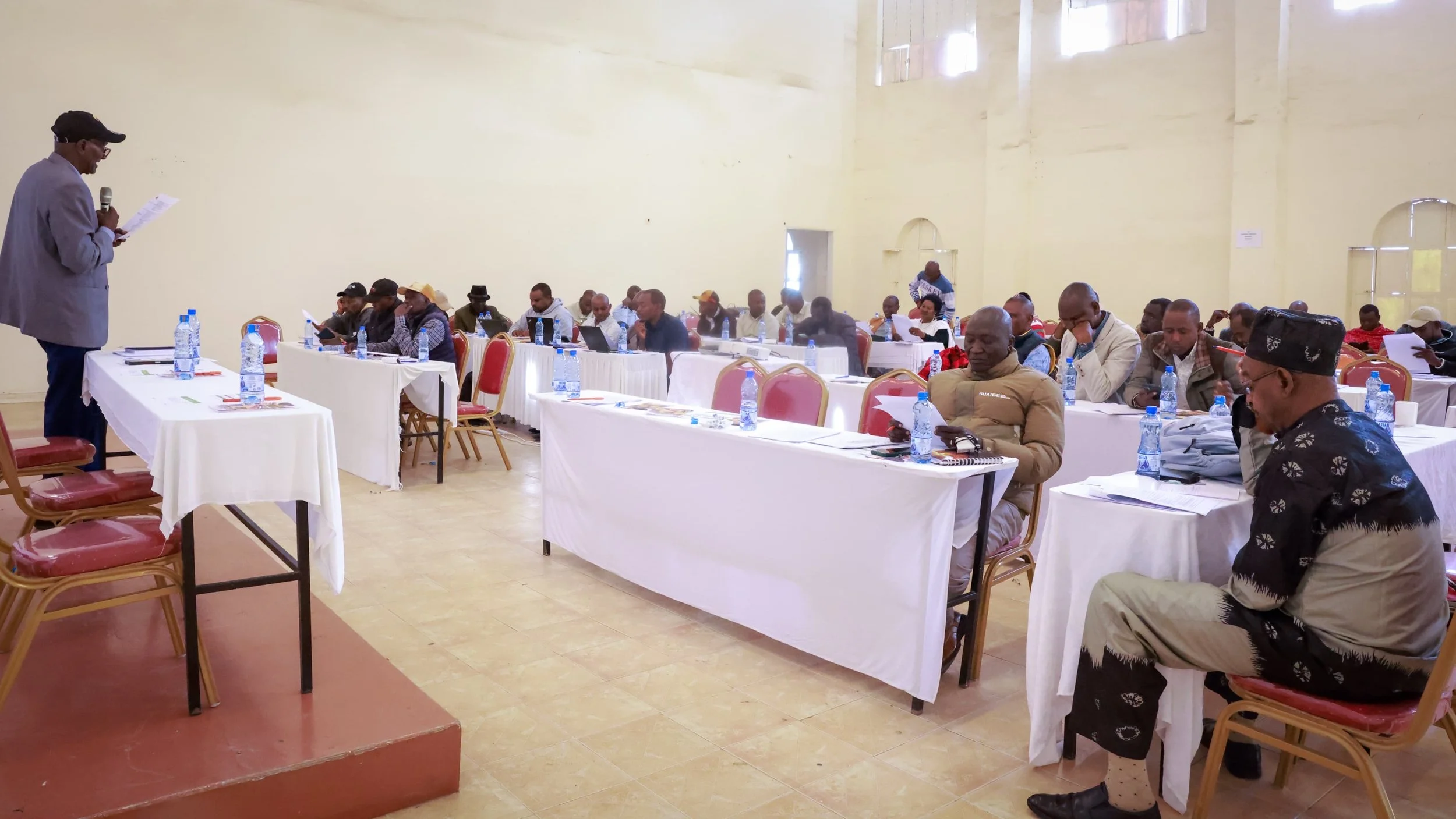
Carbon Council Chairperson Andrew Dokhole addressing members as leaders and stakeholders convene in Nanyuki.
Leadership That Inspires Confidence
Welcoming delegates, Carbon Council Chairperson Andrew Dokhole set the tone by emphasizing unity, responsibility, and shared vision. This was followed by the formal introduction of the Transition Committee by Chairperson Peter Lekurtut, whose leadership structure was affirmed by the Council based on inclusive regional representation.
Addressing the gathering, NRT CEO Vishal Shah offered heartfelt appreciation to Council members for their resilience through a demanding year. He reaffirmed NRT’s continued support for the carbon project and encouraged all stakeholders to remain focused and hopeful as the project progresses through key technical review processes, while underscoring that NRT remains the project proponent as the project continues to be implemented through strong community and stakeholder participation under established FPIC processes, even as conversations around SPV formation and transition gather pace.
Tom Lalampaa echoed the same message of support and partnership.
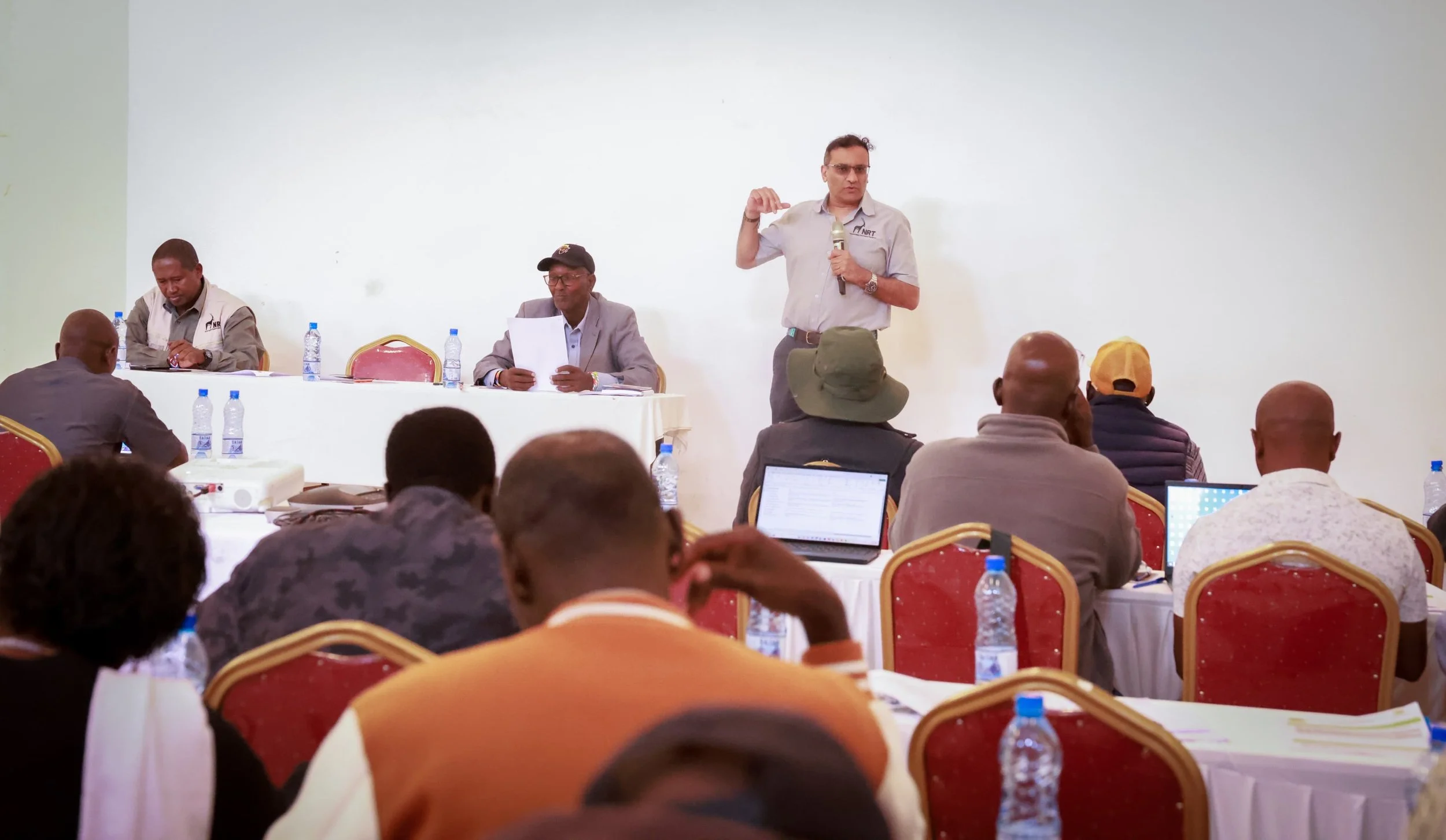
NRT CEO, Vishal Shah, addresses Carbon Council members during the landmark meeting in Nanyuki.
The presence and engagement of Members of County Assemblies (MCAs) added significant momentum to the gathering, reaffirming growing county-level goodwill and alignment with the project’s objectives.
A Year of Challenges, Growth, and Renewed Community Determination
As the Council reflected on the project’s journey in 2025, it was openly acknowledged that the year came with its fair share of challenges. Despite this, the overwhelming message from the Council was one of confidence and optimism. Members were unequivocal that the benefits of the carbon project are real and visible across communities, and that the working relationship between the Council and the Secretariat continues to grow stronger and more positive.
There was strong recognition of the renewed energy and commitment among managers and regional coordinators, driven by a fresh spirit of responsibility and teamwork. Even more inspiring was the shared affirmation that communities are now more determined than ever to put in the work, protect their rangelands, and grow the project for the long term.
Leaders and stakeholders present consistently emphasized the strength, clarity, and positivity of the community voice, noting that participation is not symbolic but active, informed, and influential. With the presence of MCAs, partners, and NRT leadership, the meeting reflected a powerful alliance of community leadership, institutional backing, and political goodwill—all pulling in the same direction.
Together, this reflection painted a powerful picture of a project that—despite its challenges—has emerged more united, more confident, and more determined to succeed.
Strengthening the Heart of the Project – The Rangelands
Updates on rangelands management emphasized steady improvement in coordination and reporting across conservancies. The Council shared practical ideas to strengthen collaboration, including:
Inter-conservancy peacebuilding initiatives driven by the communities
Joint grazing planning approaches are done by the communities
These efforts were widely applauded as important steps toward strengthening harmony while safeguarding the ecosystems that sustain livelihoods.
Planning Ahead: 2026 Workplan and Budget
Discussions on the 2026 workplan and budget reflected strong optimism, confidence, and ambition for the year ahead. The Council expressed firm belief that, with proper planning and unity of purpose, the project will mobilize adequate resources to expand community benefits and support even more development initiatives across participating conservancies.
Members emphasized the critical importance of disciplined budgeting and structured financial planning as the foundation for sustainable growth. The Council further recognized that the Secretariat, working in close consultation with the Council, carries a major responsibility in translating this vision into reality through effective coordination, resource mobilization, and implementation.
To support this process, the Council confirmed that comprehensive workplans have been developed,providing clear direction for priorities, activities, and expected outcomes. A dedicated budgeting and planning session scheduled for January 2026 will focus entirely on refining the budget and aligning resources to ensure smooth and impactful delivery throughout the year.
Communities at the Center
Deliberations on the PIA and governance framework reaffirmed that communities remain at the very heart of the carbon project. Members sought clarity on revenue sharing, CDAC formation, and full compliance with all the set new regulations, and benefit distribution to ensure shared understanding and alignment.
Community advocates present provided important insights and guidance, strengthening trust and reinforcing how governance structures are designed to protect community interests.

Miriam Huqa (left) and Zeinab Hassan (right) share a moment of engagement during the Carbon Council Meeting in Nanyuki, reflecting strong women’s leadership in community conservation.
A Celebration of Service and Impact
One of the most memorable moments of the meeting was the farewell dinner for the outgoing Community Project Oversight Committee (CPOC), held in recognition of the project’s transition into a new governance phase guided by updated regulatory compliance requirements. In an evening filled with gratitude and reflection, members shared stories of impact, growth, and community empowerment through the Community Carbon Fund (CCF), celebrating a chapter of service that has helped lay a strong foundation for the future. Their message to current and future leaders was deeply inspiring:
Serve with humility. Lead with integrity. Always remember the communities.
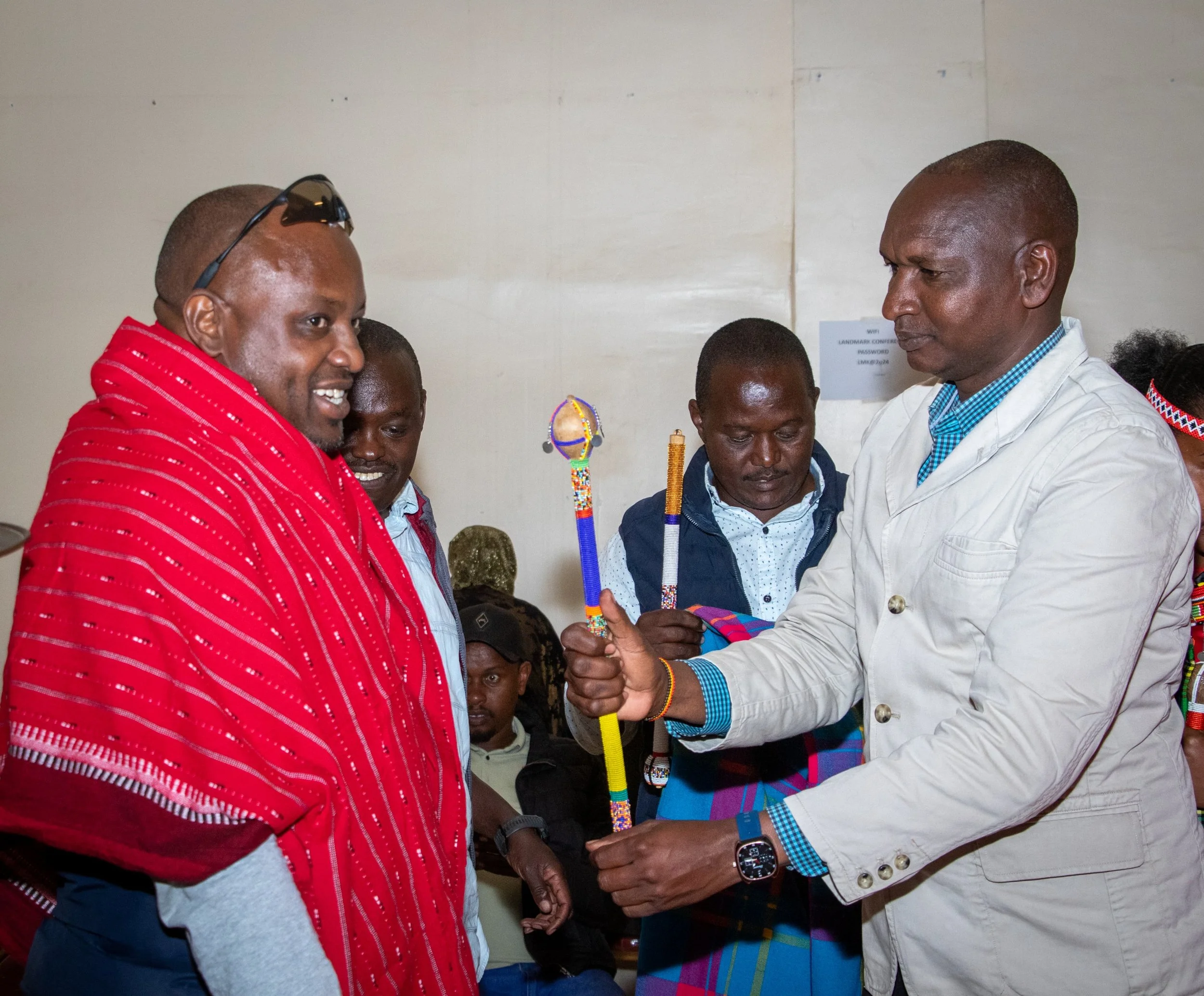
A moment of gratitude as Council Member Tom Putunoi presents a token of appreciation to outgoing CPOC members during the farewell dinner.
Goodwill, Support, and a Shared Future
Key affirmations during the meeting included:
Strong and visible support from MCAs and NRT senior leadership
Recognition of the project’s growing contribution to peacebuilding and community cohesion
A shared commitment to strengthening coordination, communication, and technical capacity within the Secretariat
By the final session, one truth had clearly taken root — the goodwill surrounding the project continues to grow, and confidence in its future is strong.
Moving Forward With Hope
As delegates departed Nanyuki, there was a visible sense of confidence and shared purpose. The Carbon Council Meeting achieved far more than reviewing plans — it reignited belief in what community-led conservation can achieve when leadership, goodwill, and partnership come together.
With unity strengthened, systems improving, and a clear roadmap guiding the SPV formation and transition, the Northern Kenya grasslands Carbon Project now moves forward into 2026 with renewed confidence, collective ownership, and shared determination.